Embracing Slow Living: Minimalism in Daily Routines
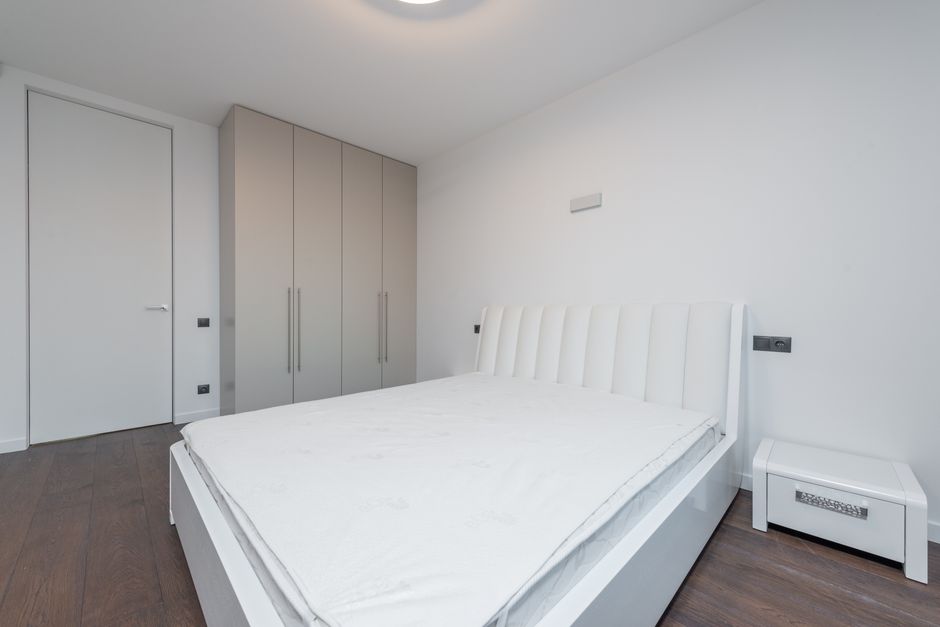
In recent years, a quiet but steady movement has been gaining traction across the United Kingdom and beyond: slow living. This philosophy encourages individuals to step back from the relentless pace of modern life and to focus on what truly matters. At its core, slow living is not about doing less for its own sake, but about being more intentional with time, energy, and resources. When combined with the principles of minimalism, it offers a framework for simplifying daily routines and creating a home environment that supports well-being.
The rise of slow living can be seen as a response to the constant connectivity and information overload that characterise contemporary society. Many people find themselves overwhelmed by commitments, possessions, and digital distractions, leading to increased stress and a sense of disconnection. Minimalism, often misunderstood as stark austerity, actually provides a practical method for cutting through this noise. By focusing on what adds value and letting go of the rest, individuals can design routines that are both efficient and peaceful.
This article explores how slow living and minimalism intersect, particularly in the context of daily home routines. It will discuss the core ideas behind this approach, offer practical ways to declutter physical spaces and schedules, and examine how these changes can foster mindfulness. The aim is to provide a balanced and informative overview for those curious about simplifying their lives, without making sweeping promises or prescriptive demands.
Understanding Slow Living and Minimalism
Slow living is a mindset that prioritises quality over quantity, and presence over productivity. It does not advocate for laziness or idleness, but rather for a deliberate pace that allows individuals to savour experiences and engage fully with their surroundings. In practice, this might mean preparing meals from scratch, taking leisurely walks, or dedicating uninterrupted time to hobbies and family. The concept has roots in the slow food movement, which began in Italy in the 1980s as a protest against fast food and the erosion of local culinary traditions. Over time, it has expanded to encompass many aspects of life, including work, travel, and home management.
Minimalism, on the other hand, is often associated with reducing material possessions to only those that serve a purpose or bring joy. However, it goes beyond mere decluttering. It involves a conscious examination of one’s needs and wants, and a willingness to resist the consumerist pressures that equate happiness with accumulation. Together, slow living and minimalism form a complementary pair: the former provides the philosophical underpinning, while the latter offers practical tools for implementation. For instance, a minimalist approach to shopping might involve waiting 30 days before making a non-essential purchase, which aligns with the slow living principle of thoughtful deliberation.
It is important to note that neither slow living nor minimalism is a one-size-fits-all solution. Individuals adapt these principles to their own circumstances, whether that means living in a small flat in London or a countryside cottage in Yorkshire. The key is to use them as a guide for making conscious choices that enhance daily life, rather than adhering to rigid rules.
Simplifying Home Routines Through Decluttering
A practical starting point for embracing slow living is to declutter the home environment. A cluttered space can contribute to a cluttered mind, as visual noise and physical disorganisation often lead to increased anxiety and difficulty concentrating. By systematically reviewing possessions and removing those that are no longer needed or used, individuals can create a more serene atmosphere. This process, however, should be approached with care and reflection, not haste.
One effective method is the KonMari approach, which involves sorting items by category, such as clothing, books, and papers, and keeping only those that spark joy. While this technique has become popular, it may not resonate with everyone. Alternative methods include the four-box method, where items are sorted into keep, donate, recycle, and trash categories, or simply focusing on one area, like a single drawer or shelf, at a time. The goal is not to achieve a perfectly bare space, but to ensure that every item has a purpose or sentimental value.
Beyond reducing physical clutter, simplifying routines may also involve auditing daily activities. Many people fill their calendars with commitments that drain energy without providing meaningful returns. By saying no to non-essential engagements and leaving buffer time between tasks, individuals can reduce the feeling of being constantly rushed. This might involve setting specific times for checking emails, turning off phone notifications during meals, or dedicating an evening each week to a hobby.
Ultimately, decluttering is an ongoing practice, not a one-off event. As life changes, so too will the items and activities that are deemed essential. Regular reflection on what adds value helps maintain a minimalist approach without becoming obsessive.
Mindfulness and Stress Reduction
One of the most commonly cited benefits of slow living is a reduction in stress, but it is essential to frame this as a potential outcome rather than a guaranteed result. Chronic stress is a complex issue influenced by many factors, including work demands, financial pressures, and personal relationships. Simplifying routines and environments can, however, create conditions that make it easier to manage stress. A tidy home, for instance, may reduce the mental load of constantly searching for lost items or worrying about cleaning chores. Similarly, a slower pace allows for moments of rest and reflection, which can help regulate the body’s stress response.
Mindfulness, the practice of paying attention to the present moment without judgment, is often intertwined with slow living. Engaging fully in daily activities, such as drinking tea or watering plants, can become informal mindfulness exercises. When performed with awareness, these simple actions can break the cycle of rumination and worry that contributes to stress. This does not mean that mindfulness is a cure-all, but it can be a valuable component of a broader approach to well-being.
It is also worth noting that reducing stress is not solely the individual’s responsibility. Structural factors, such as workplace culture and social expectations, play a significant role. Therefore, while adopting minimalist principles may lead to a calmer home life, its effects on overall stress levels will depend on a variety of external circumstances.
Practical Strategies for Integrating Minimalist Principles
For those interested in incorporating minimalism and slow living into their daily routines, there are several strategies that can be adapted to individual preferences. One approach is to establish a morning ritual that sets a measured tone for the day. This might include rising at a consistent time, engaging in light stretching, and enjoying a cup of tea without digital distractions. Another is to adopt a weekly planning session, where the week’s meals and activities are mapped out in advance, reducing last-minute decisions.
Meal planning is a particularly effective way to combine minimalism and slow living. By deciding on a limited menu based on seasonal, locally sourced ingredients, individuals can reduce food waste, save money, and spend less time in the supermarket. Cooking meals from scratch, even if simple, can be a mindful practice that engages the senses and fosters appreciation for nourishing food.
Another strategy is to create ‘tech-free’ zones in the home, where phones and laptops are not allowed. This can encourage face-to-face communication and leisure activities such as reading or crafting. Even a small corner dedicated to quiet activities can serve as a reminder to unplug and be present.
It is important to approach these strategies with flexibility. Not every suggestion will work for every person, and it is okay to experiment and adjust. The goal is not to achieve perfection but to cultivate a lifestyle that feels authentic and sustainable.
The Role of Culture and Community in the UK
The adoption of slow living principles in the United Kingdom is influenced by the country’s cultural and social context. British culture has long valued the idea of a ‘cosy’ home, or ‘hygge’ as it is known in Denmark, which aligns with the slow living emphasis on warmth and comfort. However, the UK also has a strong work ethic and a tendency towards busyness, which can create tension with the desire to slow down. Recognising this tension is the first step towards finding a personal balance.
Community plays a vital role in facilitating slow living. Local initiatives, such as community gardens, repair cafes, and book clubs, provide opportunities for people to connect and share resources. These activities not only support a simpler lifestyle but also strengthen social ties, which are crucial for mental health. Being part of a community that values sustainability and intentionality can make it easier to maintain these practices, as it provides social reinforcement and accountability.
Additionally, the UK’s relatively strong emphasis on public transport and local high streets can support a slower pace of life. Walking or cycling to work, shopping at independent stores, and enjoying public parks are all consonant with minimalist principles. Yet, infrastructural challenges may persist, particularly in rural areas where car dependence is high. Thus, the integration of slow living is an individual choice that is shaped by broader societal conditions.
Conclusion
Incorporating minimalism into daily routines as part of a slow living philosophy offers a thoughtful approach to modern life. By decluttering physical spaces, simplifying schedules, and fostering mindfulness, individuals can create an environment that supports their well-being. The process is not about deprivation or strict rules, but about making conscious choices that align with personal values.
It is essential to remember that any potential benefits, such as reduced stress or increased mindfulness, are not guaranteed outcomes but plausible results that depend on consistent practice and supportive circumstances. The journey towards a simpler life is highly individual, and what works for one person may not work for another. Ultimately, the goal is to cultivate a sense of calm and intentionality that enriches each day, however it manifests.